CTEM in practice: how Batuta enables continuous risk exposure management
February, 10, 2026
3 minutes read
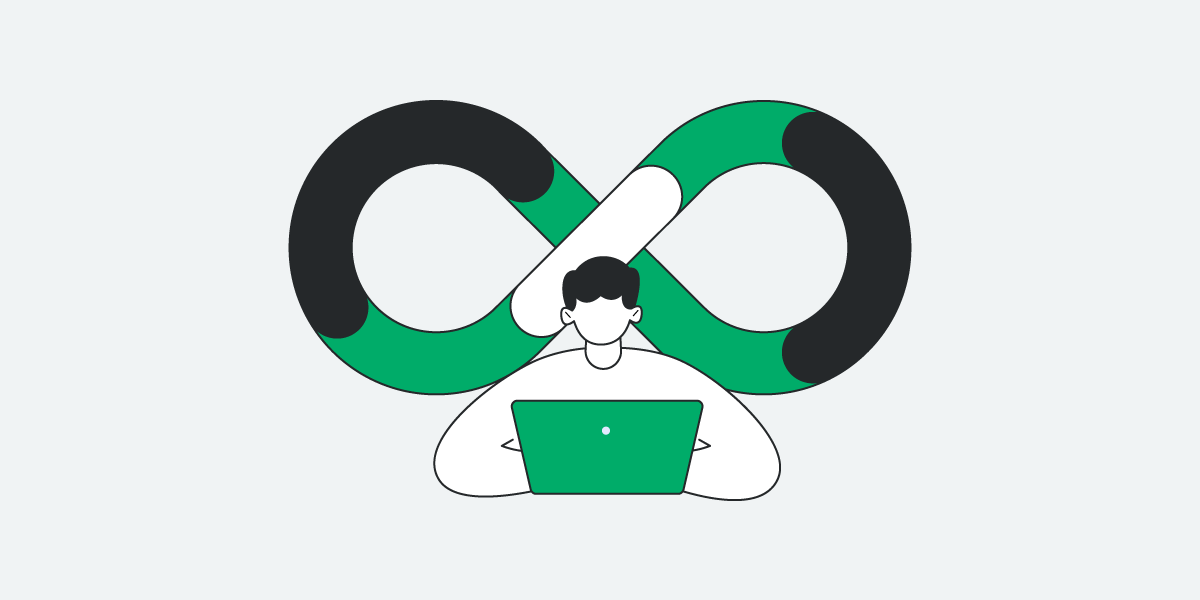
In response to the increasingly evident problem that traditional vulnerability management models no longer reflect the real risk organizations face, Gartner developed the Continuous Threat Exposure Management (CTEM) approach.
Unlike reactive approaches, CTEM is based on ongoing cycles of discovery, assessment, prioritization, and mitigation, considering that critical assets, technological dependencies, and threats are constantly changing. Its main value is that it allows security to be connected with the language of the business: not all vulnerabilities matter equally, and not all assets carry the same weight in operational continuity.
This approach is particularly useful in regions such as Latin America, where resources are limited and security teams face constant pressure. The shortage of specialized talent, the growth of the attack surface, and alert overload make it unfeasible to address everything equally. Here, CTEM makes it possible to optimize resources by focusing efforts on what truly compromises business continuity.
However, for CTEM to be effective, it requires technology capable of sustaining it—technology that enables constant visibility and dynamic prioritization. This is where Batuta integrates as an enabling platform for organizations implementing CTEM.
In organizations that apply CTEM, Batuta allows the model to be put into practice through continuous monitoring, contextual analysis, and actionable prioritization capabilities. Instead of operating with fragmented information, Batuta helps maintain an up-to-date view of the environment and turn technical data into remediation decisions aligned with the business.
Within a CTEM framework, Batuta helps to:
- Identify real exposure in continuous time, not only through isolated scans.
- Detect possible attack paths by connecting vulnerabilities with critical assets.
- Prioritize actions based on operational impact, not only severity.
- Reduce noise and alert fatigue by providing context and correlation.
- Demonstrate risk management maturity, facilitating audits, compliance, and insurer requirements.
Batuta ensures that CTEM does not remain a conceptual framework, but rather functions as a continuous operating system for exposure and response.
In addition, the market is evolving toward consolidation models. Three-quarters of organizations seek to reduce the number of vendors, prioritizing platforms that integrate assessment, analysis, and remediation. Batuta aligns with this trend by enabling unified management that reduces operational complexity.
The value of CTEM lies not only in preventing incidents, but in building a dynamic and measurable risk posture. By combining a continuous methodology with the right technology, organizations can anticipate scenarios, reduce exposure before impact occurs, and strengthen their digital resilience.
In this environment of dynamic digital transformation, organizations that adopt Gartner’s approach gain a competitive advantage, and with the support of platforms like Batuta, continuous exposure management ceases to be a theoretical ideal and becomes a tangible capability to sustain operations, protect trust, and preserve business value over time.