Finance, IT, and Cybersecurity: The Key Team for Enterprise Risk
March, 17, 2026
5 minutes read

In many organizations, risk management has been discussed for decades using the same language: market risk, credit risk, liquidity risk, geopolitical risk. For chief financial officers, these concepts are a natural part of strategic decision-making. However, as business operations become digitized and critical assets move into technological environments, an increasingly significant portion of corporate risk lies within the technological infrastructure that supports the business.
In this scenario, CFOs play a key role in the conversation about cybersecurity and technological risk management—not as secondary actors, but as part of an executive team that integrates finance, technology, and security.
John Watters, independent director of Batuta, expressed this clearly when discussing risk culture in the financial world. For those who come from that environment, managing risk is an everyday discipline. Probabilities, impacts, and exposure scenarios are constantly analyzed. In cybersecurity, he explains, that mindset was absent for many years. Today the concept of risk is increasingly central, but many organizations still face a significant gap: they do not know how to manage it systematically. “You can’t manage what you can’t measure, and you can’t measure what you can’t see,” Watters notes. Visibility thus becomes the first step in transforming technological security into a real enterprise risk management process.
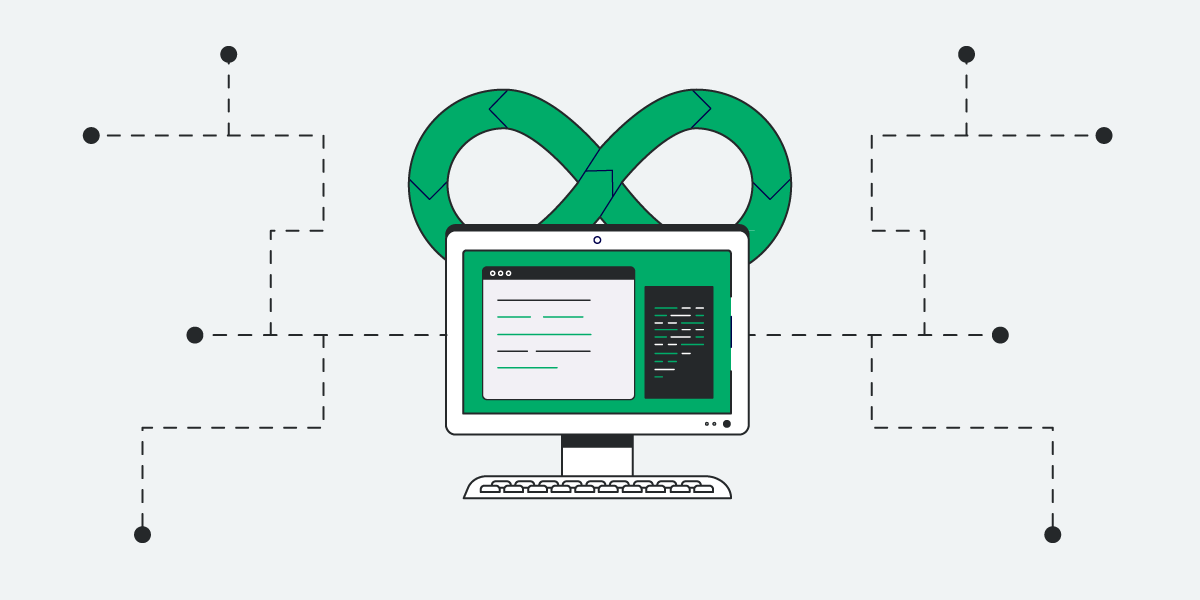
This principle connects directly with one of the most relevant methodologies addressing digital exposure: the Continuous Threat Exposure Management (CTEM) approach developed by Gartner. Instead of treating security as a series of isolated projects or occasional audits, CTEM proposes a continuous cycle of discovery, assessment, prioritization, and mitigation of threats. Risk exposure, therefore, is also dynamic.
This is where collaboration between finance, technology, and security becomes central. The CFO understands the business’s financial exposure, the IT team knows the technological architecture, and the cybersecurity team identifies the threats that can affect that infrastructure. When these three functions work in a coordinated way, the organization gains a much stronger capacity to understand its digital risk and manage it strategically.
To achieve this, the first step remains visibility. Watters explains that the foundation of any technological risk management model is knowing exactly which security controls exist, where they are deployed, and whether they are functioning correctly. This means having clarity about how many devices are part of the technological environment, which security tools are active on them, and whether there is real alignment between the IT inventory and security policies. Without this layer of visibility and management, any attempt to administer vulnerabilities or threats becomes incomplete.
From that foundation, the organization can move toward a more mature operation. Visibility allows the centralization of functions such as patch management, vulnerability monitoring, and threat analysis. With that consolidated information, teams can evaluate the effectiveness of existing security controls. This evolution makes it possible to gradually scale from technical operations toward more strategic levels of cyber risk and technological risk analysis, ultimately integrating these assessments into overall enterprise risk management.
For CFOs, this evolution has direct implications. A large portion of an organization’s risk exposure does not appear in traditional financial reports. A security incident can generate significant economic losses, operational disruptions, regulatory penalties, or reputational damage. In many cases, the most vulnerable points are found at the organization’s endpoints: laptops, workstations, and devices that connect employees to central systems. Each of them represents a potential entry point for an attack.
One of the most important challenges for financial leadership is that these risks often remain invisible within traditional audit cycles. Between one audit and the next, security failures can emerge that go unnoticed until they have already caused an impact. Endpoint protection tools can become outdated or disconnected without being detected in time. Even the complete inventory of devices can become fragmented, leaving assets outside security policies without evidence available to demonstrate compliance to a regulator.
In this context, platforms that allow continuous monitoring of the technological security posture become a strategic instrument for enterprise risk management. Solutions such as Batuta aim precisely to translate the technical complexity of cybersecurity into actionable information for leadership. By offering constant visibility into endpoint protection, the status of security controls, and the real coverage of deployed tools, these platforms make it possible to identify exposures before they become incidents that affect operations or create regulatory obligations.
In addition to strengthening prevention, this visibility reduces friction in audit and compliance processes. The availability of structured evidence and exportable reports facilitates the preparation of regulatory audits and security certifications, reducing the time and resources required to gather information. It also provides transparency regarding cybersecurity investments, allowing leadership to evaluate whether the technologies implemented are truly functioning as expected or whether there are coverage gaps that require attention.
For executive oversight, having these metrics expressed as clear indicators is highly valuable. The result is a different organizational dynamic. Digital risk management stops being the exclusive responsibility of the security department and becomes a strategic conversation among finance, technology, and cybersecurity. When these three functions operate in a coordinated manner, the organization develops a much stronger capacity to anticipate threats, prioritize protection investments, and safeguard business continuity. Together they form the risk management core that organizations need in order to operate with resilience in the digital economy.